

Nebraska Senate Candidate Lee Benham Responds to “Break Up Big Medicine Act,” Outlines Age-Based Tax Credit Alternative
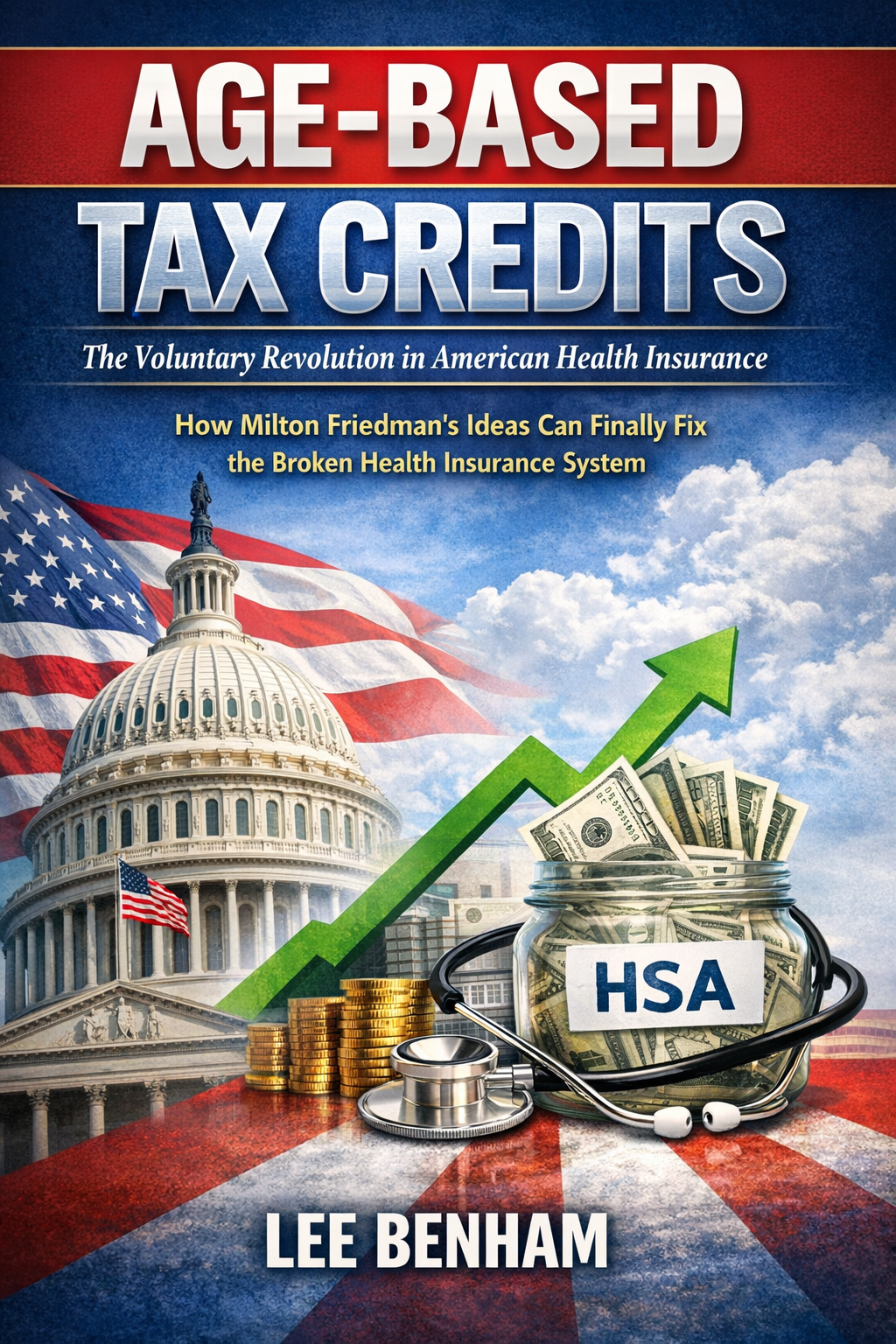
Benham highlights structural role of employer-sponsored insurance in healthcare costs and proposes consumer-directed financing model
Mr. Cuban is right to question the system—but if control of the money stays the same, outcomes won’t change. Real reform means changing incentives. I’d welcome comparing approaches.”
BELLEVUE, NE, UNITED STATES, March 31, 2026 /EINPresswire.com/ -- Lee Benham, Democratic write-in candidate for U.S. Senate in Nebraska and an insurance professional, today issued a statement regarding the bipartisan “Break Up Big Medicine Act,” introduced by U.S. Senators Josh Hawley and Elizabeth Warren.— Lee Benham
The proposed legislation seeks to restrict vertical integration within the healthcare industry by limiting the ability of health insurance companies to own or operate provider organizations, pharmacies, and pharmacy benefit managers (PBMs).
The issue has also been discussed publicly by entrepreneur and healthcare transparency advocate Mark Cuban, who has raised concerns regarding consolidation and pricing practices within the healthcare system.
Benham stated that the concerns raised by policymakers and industry leaders reflect broader challenges within the current healthcare financing structure.
“There is increasing bipartisan recognition that the current system presents challenges for consumers,” said Benham. “Concerns related to consolidation, pricing, and transparency are being raised across multiple sectors.”
Benham noted that policy approaches focused on restructuring corporate ownership will not address underlying financial mechanisms within the system.
“The U.S. healthcare system remains largely structured around employer-sponsored insurance, where healthcare spending is directed through employers and third-party intermediaries rather than individuals,” Benham said. “Adjustments to ownership structures will not change how those dollars are controlled.”
Benham explained that under employer-sponsored insurance arrangements, a portion of employee compensation is allocated toward insurance premiums rather than direct wages, which limits consumer visibility into healthcare costs.
“When individuals are not directly controlling healthcare spending, price sensitivity is reduced regardless of how the industry is organized,” Benham said.
Benham added that this structure may contribute to broader cost trends across the system.
“When healthcare dollars flow through third parties instead of consumers, competitive pricing signals can be weakened,” Benham said.
Benham also referenced existing regulatory frameworks, including Medical Loss Ratio (MLR) requirements, noting that these frameworks may align insurer revenue with overall healthcare spending levels.
“Current rules can link revenue to total spending, which may present challenges for cost containment over time,” Benham said.
As part of his policy platform, Benham outlined a voluntary alternative approach based on age-based tax credits. Under this model, the government provides individuals with a fixed annual credit based on age to purchase personal, portable health insurance. Any unused portion of those funds is retained by the individual and deposited into a Health Savings Account (HSA) for future medical expenses.
Benham emphasized that this approach is entirely optional and designed to operate alongside existing coverage options.
“Age-based tax credits are a voluntary alternative that place purchasing decisions directly in the hands of individuals rather than employers or third-party intermediaries,” Benham said. “The government provides the funds to purchase personal, portable insurance, and any money left over goes into the individual’s HSA. After all, it’s your money—shouldn’t it be your choice?”
According to Benham, this voluntary approach is designed to:
Provide individuals with direct control over healthcare spending
Encourage price competition across insurance options
Reduce reliance on employer-sponsored insurance structures
Allow consumers to retain and save unused healthcare funds
Benham stated that the proposal is intended to address the same cost and market concerns currently being raised in federal policy discussions.
“The issues being identified around pricing and market concentration are real,” Benham said. “This voluntary approach is designed to address those same concerns by changing financial incentives within the system.”
Benham noted that consumer-directed models may create different market dynamics over time.
“When individuals choose to control the dollars, purchasing decisions are made based on price and value, which may introduce competitive pressure that is difficult to achieve through structural regulation alone,” Benham said.
Benham referenced existing federal programs, including Medicare Medical Savings Accounts (MSAs), as examples of defined-contribution healthcare models currently operating within federal law.
“There are existing frameworks that demonstrate how consumer-directed models can function within the healthcare system,” Benham said.
Benham also stated that long-term cost outcomes may be influenced by changes to how healthcare spending is structured.
“Approaches that realign financial incentives may have the potential to influence overall healthcare spending trends over time,” Benham said.
Benham stated that he welcomes engagement with policymakers and industry leaders, including Cuban, to further examine structural approaches to healthcare reform.
“There is an opportunity to expand the current discussion to include how healthcare financing itself can be modernized,” Benham said. “I welcome dialogue and engagement with policymakers and industry leaders to further explore these approaches.”
Lee Benham
+1 402-312-4555
email us here
Lee Benham for Senate
Visit us on social media:
Facebook
YouTube
Age Based Tax Credits
Legal Disclaimer:
EIN Presswire provides this news content "as is" without warranty of any kind. We do not accept any responsibility or liability for the accuracy, content, images, videos, licenses, completeness, legality, or reliability of the information contained in this article. If you have any complaints or copyright issues related to this article, kindly contact the author above.
